Surf seasons on the northeast coast
A day-shaped, month-by-month reading of Yilan’s coast, from winter’s wind-chopped swell to early-summer glass and typhoon-season waves.
by Omar and Lou
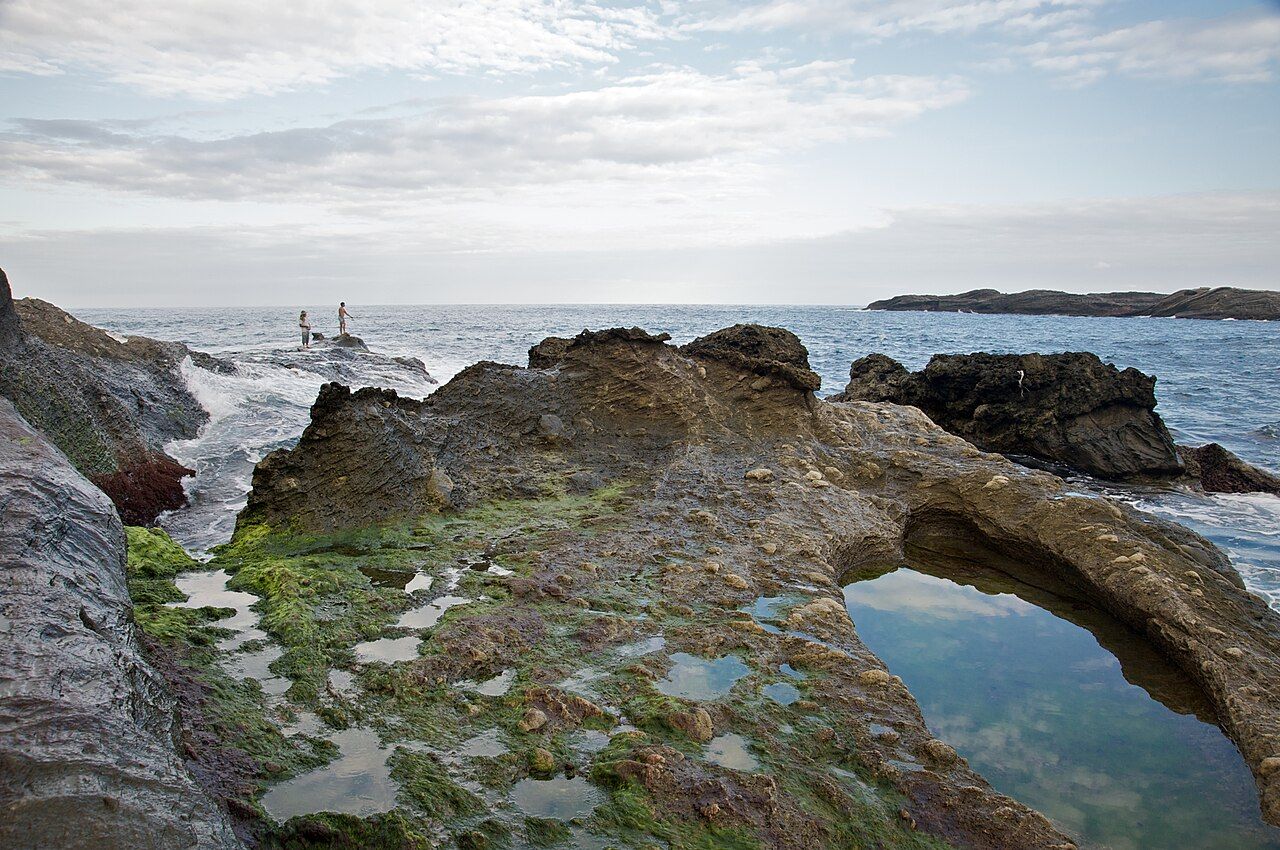
- Where on the coast
- whole coast
The northeast monsoon blows over northern Taiwan from about October to March, giving Yilan’s coast a winter surf season with a particular sort of restlessness. The swell comes often, but it’s frequently short-period and wind-chopped, so the calendar tells part of the story, not the whole one. We like having that distinction in mind: winter brings regular chances at waves, though not always the clean, settled kind that makes a day feel simple.
Morning, October to March
For this stretch of the year, the northeast monsoon is the main character, and its wind blows onshore at most beaches between Toucheng and Su’ao. That’s a useful detail to keep beside the word “frequent”; the waves can arrive often without offering much glassy quiet. We’d describe winter as a season with plenty of movement, rather than a reliable run of neat surf days. The coast is doing its own thing, and the wind is part of the arrangement.
Yilan County is one of Taiwan’s wettest lowland areas, with much of its rain falling in autumn and winter. It makes sense to hold those months together in the mind: the monsoon, the onshore wind and the rain all belong to the broad winter picture, even if the surf itself changes from day to day. We wouldn’t turn that into a promise about what any particular morning will bring. The honest expectation is simply that winter swell is frequent, often choppy, and worth understanding on its own terms.
The coast’s year has more than one surf mood, and the calendar is a useful way to keep them apart.
The coast’s year has more than one surf mood, and the calendar is a useful way to keep them apart.
Midday, May and June
May and June bring the plum rains, known as the meiyu, which usually soak Taiwan. That’s a different piece of the seasonal picture from the surf itself, but it belongs in the same conversation about how the year turns here. A month can be important to the weather without making a claim about the shape of every wave, and we’d rather leave that distinction clear than pretend the calendar offers a tidy forecast.
In early summer, the southwest monsoon dominates, and the northeast coast often sees small, clean waves. Lou likes this part of the year’s description best: small and clean sounds like a welcome change from winter’s choppy repetition. Omar’s less convinced that a wave needs to be glassy to be satisfying, but even he admits the contrast is striking on paper. It’s a modest surf mood, not a grand seasonal arrival, and that smallness seems part of its appeal.
May and June sit close to that early-summer shift, though the facts don’t give us a sharp dividing line between plum rains and cleaner surf. So we keep both in view without insisting they happen in a neat order: the meiyu usually soaks Taiwan in those months, while the southwest monsoon dominates in early summer. It’s enough to know the coast can offer these different conditions across the turn of the season; we don’t need to make the weather sound more exact than it is.
Late afternoon, July to October
Taiwan’s typhoon season runs mainly from July to October, and this is when the largest, most dangerous waves enter the year’s picture. A typhoon passing east or south of Taiwan can send long-period swell to the Yilan coast days before any wind arrives. That gap matters: the swell and the wind don’t necessarily show up together. We find this the most compelling part of the seasonal pattern, and also the part that asks for the most care in how it’s read.
Taiwan's national weather service, the Central Weather Administration, issues sea and land typhoon warnings. It was called the Central Weather Bureau until it was renamed in 2023. Those names and warnings are worth keeping straight when reading the coast’s typhoon season, because the swell may arrive ahead of the wind, while warnings cover both sea and land. We’ve linked what a typhoon warning means at the beach because the seasonal overview needs to leave room for that more serious part of the story.
October belongs to both descriptions: the northeast monsoon blows from about October to March, while the typhoon season runs mainly through October. That overlap is a useful reminder that seasons aren’t tidy chapters with a clean page turn. The winter pattern and the typhoon pattern can both be part of the coast’s calendar, and neither one reduces to a single kind of surf. We’d rather keep the edges a little loose than draw a firm line the facts don’t give us.
A day held in the calendar
By late afternoon, the day-shaped version of the year has come around again: winter’s frequent, wind-chopped swell; the smaller, cleaner waves of early summer; and the long-period swell typhoons can send ahead of their wind. We like leaving those three moods side by side, without crowning one as the coast’s answer. The imagined day ends quietly, with the seasons still turning beyond it.
| Seasonal stretch | What defines it |
|---|---|
| About October to March | Northeast monsoon; frequent, often short-period and wind-chopped swell. |
| May and June | Plum rains, or meiyu, usually soak Taiwan. |
| Early summer | Southwest monsoon dominates; the northeast coast often sees small, clean waves. |
| July to October | Typhoon season; passing storms can send long-period swell days ahead of wind. |
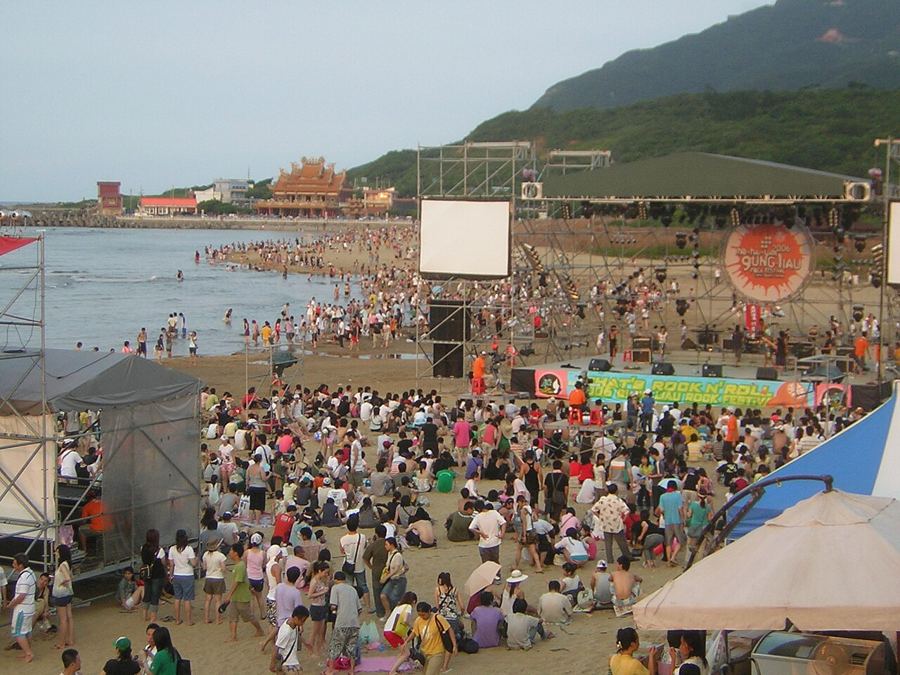 Typhoon warnings, rips and a coast rearranged
 Honeymoon Bay, in three tides of the day