Over the pass on the Caoling trail
A Qing-era route into the Lanyang plain, where a tiger stele, silvergrass, strong winds and the Dali temple give the crossing its shape.
by Omar and Lou
- Out of Taipei
- about 1.5 h by train the ride in
- Where on the coast
- north coast
“tiger”
Morning, with the old route in mind
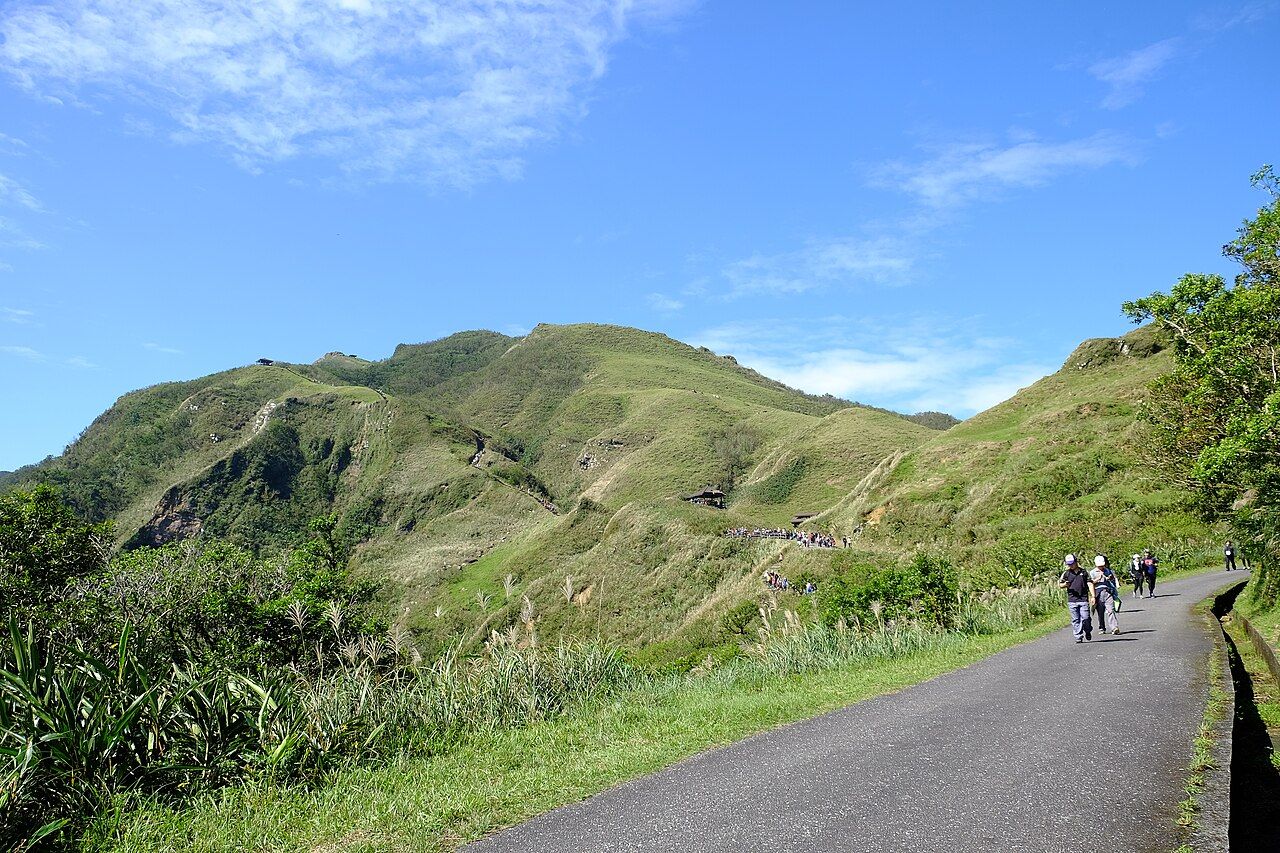
The Caoling Historic Trail crosses the hills between Gongliao in New Taipei and Dali in Yilan, a line over the pass that once carried people into the plain. Opened in 1807, it became the main overland route into the Lanyang plain during the Qing dynasty; that history gives the walk a rather different centre of gravity from a path chosen only for its views.
We like a trail that can hold two ideas at once: the effort of crossing a hill country and the practical purpose that made the route matter. The Caoling trail is about eight and a half kilometres long, but its measure isn’t only distance. It’s also a passage between the coast and the plain, and between the old overland way and the landscape seen from the upper trail.
There’s room to imagine the route as a threshold, though we wouldn’t want to turn that into grand talk. The hills are simply there, the path crosses them, and the old purpose is present in the plain name at its far side. We find that enough. A walk can carry history without asking anyone to perform reverence for it.
Midday, when the pass has its say
Near the top stands a stone stele carved with the character for tiger. The Tiger Inscription Stele was carved in 1867 by the Qing general Liu Ming-teng, with the intention of calming the strong winds on the pass. It’s a wonderfully direct answer to weather: put a fierce animal into stone, and ask it to take on the wind.
That little act of naming feels especially apt here, since strong northeast winds often blow across the pass in winter. Wind becomes part of the trail’s character rather than incidental background, and the stele gives it a place in the story. We’re fond of the human scale of that gesture (the weather is still weather, but someone tried to address it).
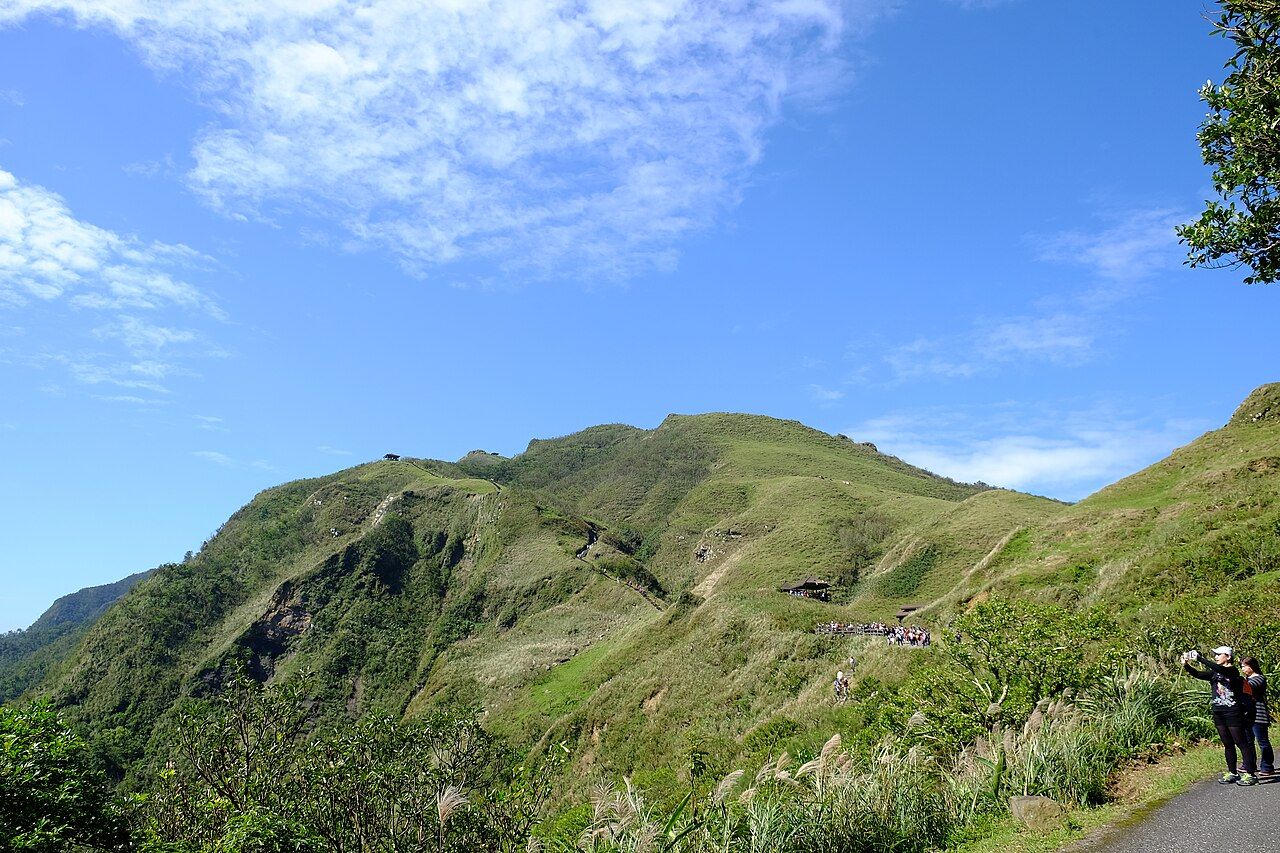
The stone is an anchor for the walk, not a reason to overlook everything around it. From the upper Caoling trail, walkers look down on the coast and out to Guishan Island. The view has a broadness to it: hills underfoot, coast below, island beyond. We’d probably linger over that arrangement longer than Omar would, though he’s usually the one who spots the next change in the path.
The route also brings to mind the beach town at the trail's north end, while the grassy ridge above Dali makes the upper country feel like more than a crossing between two named places. Those are useful ways to picture the wider coast and hills, even when the stele and the Lanyang plain remain the main story here.
Silvergrass covers the hills along the Caoling trail, turning silvery in autumn and early winter. That seasonal change gives the slopes a different mood without needing any elaborate description: the grass shifts, the wind moves across the pass, and the trail keeps its old line through it. It’s the sort of detail Lou would put first; Omar is more likely to remember the stele.
The silvergrass and the tiger inscription belong together in our minds. One changes with the season, the other holds its carved character in stone; one makes the hills feel alive with movement, while the other marks the human wish to quiet the wind. The grass shifts with the season, while the inscription stays fixed in stone. It can be a place of weather and history at once.
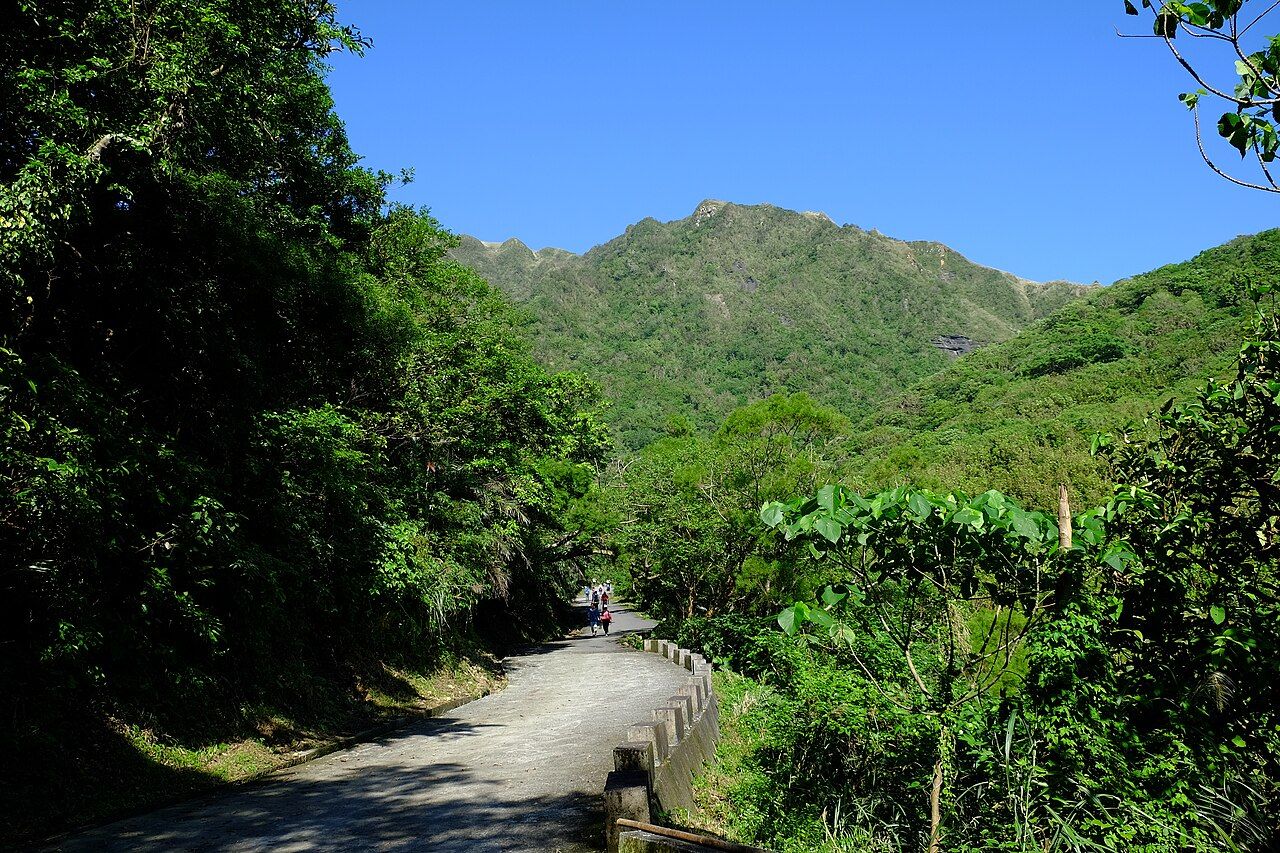
The grass shifts with the season, while the inscription stays fixed in stone.
Late afternoon, down towards Dali
At the southern end, the Caoling trail comes down near Dali Tiangong Temple, dedicated to the Jade Emperor. After the open upper trail and its coastward views, the temple gives the route a distinct point of arrival. The crossing ends not with a sweeping claim about conquering the hills, but near a place with a clear purpose and a name.
Dali station sits a short walk from the temple, so the trail’s southern end and the station sit close together in the shape of the day. That practical detail belongs at the end of the story, where it can quietly answer the question of what follows the walk. The trail has run over the hills; here, the temple and station make a tidy closing pair.
By late afternoon, the parts we’d carry away are small and specific: the tiger character cut into stone, silvergrass on the hills, winter wind across the pass, and the coast opening below the upper trail. Lou would keep the grass in the foreground; Omar would keep the stele there. Neither of us would mind the disagreement.
| Trail | Caoling Historic Trail |
|---|---|
| Length | About eight and a half kilometres |
| Across | Gongliao in New Taipei to Dali in Yilan |
| At the southern end | Dali Tiangong Temple; Dali station is a short walk away |
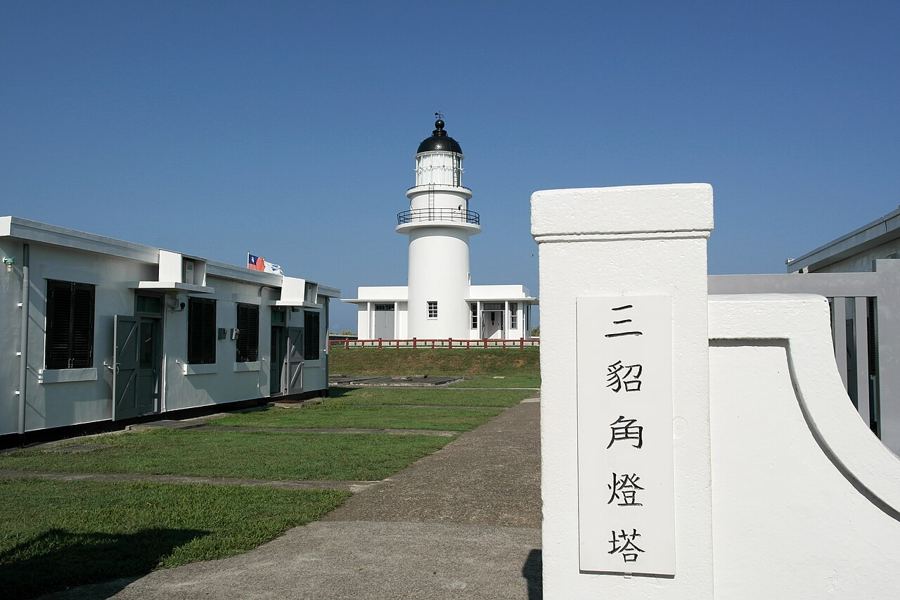 The first sunrise at Sandiao Cape
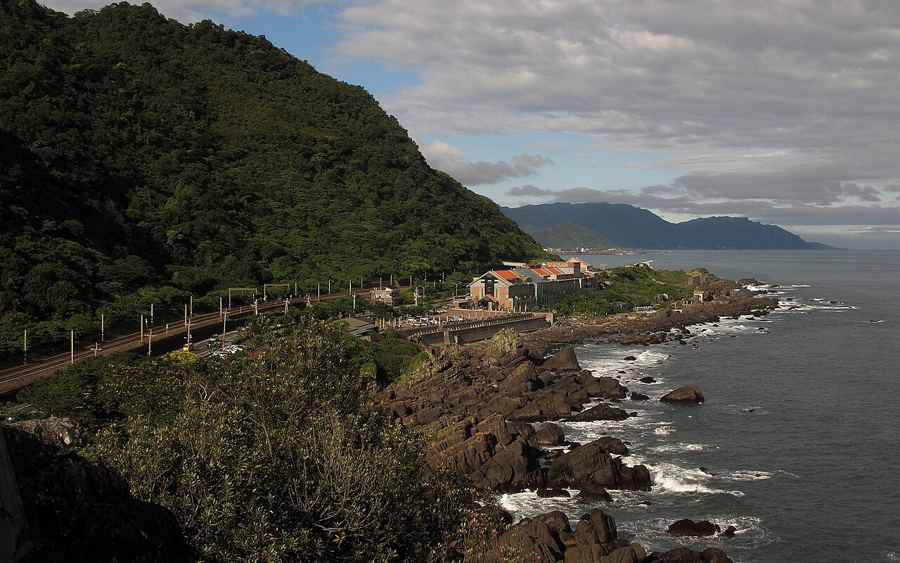 Beiguan’s tilted rocks
 Nanfang'ao: a harbour in three parts