Nanfang'ao: a harbour in three parts
From the quay to the temple, the bridge and a beach over the hill, Nanfang'ao keeps drawing the eye back to its fishing fleet and mackerel.
by Omar and Lou
- Out of Taipei
- about 2 h by train the ride in
- Where on the coast
- south coast
“Mackerel is the best-known catch landed at Nanfang'ao.”
Morning, with the harbour doing the talking
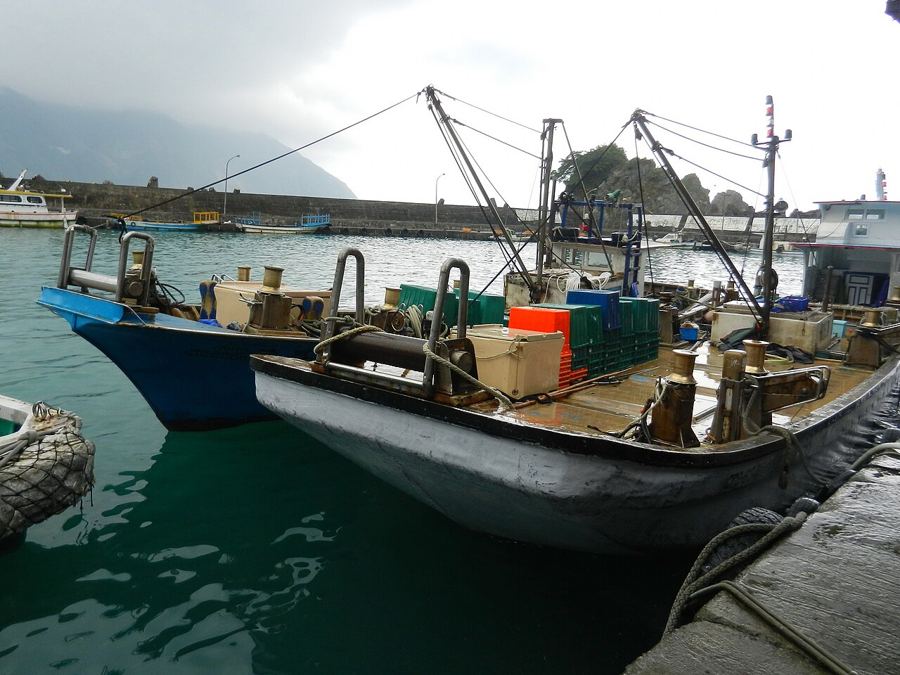
At the southern end of the Lanyang plain, Nanfang'ao sits in Su'ao Township with a story that begins, plainly enough, at the water. It’s one of the three largest fishing harbours in Taiwan, and from the quay the scale of that description is easier to hold in mind than a ranking on a page.
The fishing fleet is the detail everything else seems to gather around. Mackerel is the best-known catch landed here, a simple sentence with a lot of harbour tucked inside it: boats, work, and a catch that has become the name most readily attached to Nanfang'ao. We find ourselves lingering over that connection, rather than trying to turn it into a grander claim.
Many of the fishermen working from Nanfang'ao come from Indonesia and the Philippines. It’s a fact that gives the harbour’s working life a wider frame, without asking us to pretend we know anyone’s particular story. A place can be firmly rooted in its coast and still be shaped by people who have come from elsewhere; we keep that thought with us as the day moves on.
There’s also a useful distinction between a harbour’s identity and everything it contains. Here, mackerel is the familiar answer, but the boats, the people working from them and the broad sweep of the harbour basins belong in the picture too. Lou would start with the fish; I’m inclined to start with the fleet. We don’t need to settle it.
Mackerel is the best-known catch landed at Nanfang'ao.
Midday, with Mazu in the frame
Nantian Temple is dedicated to Mazu, goddess of the sea, a fitting presence in a harbour town whose work is so closely tied to the water. The temple is known for two particular statues: one of Mazu made of gold, and another made of jade. The details are striking because they’re so specific; devotion here has a material form as well as a name.
The temple doesn’t replace the harbour’s practical role. Mazu is the goddess of the sea, while Nanfang'ao is a fishing harbour where mackerel is the best-known catch. Those facts sit beside each other without needing a speech to join them. For us, that’s the pleasant rhythm of a good dispatch: a place gets to be more than one thing at once.
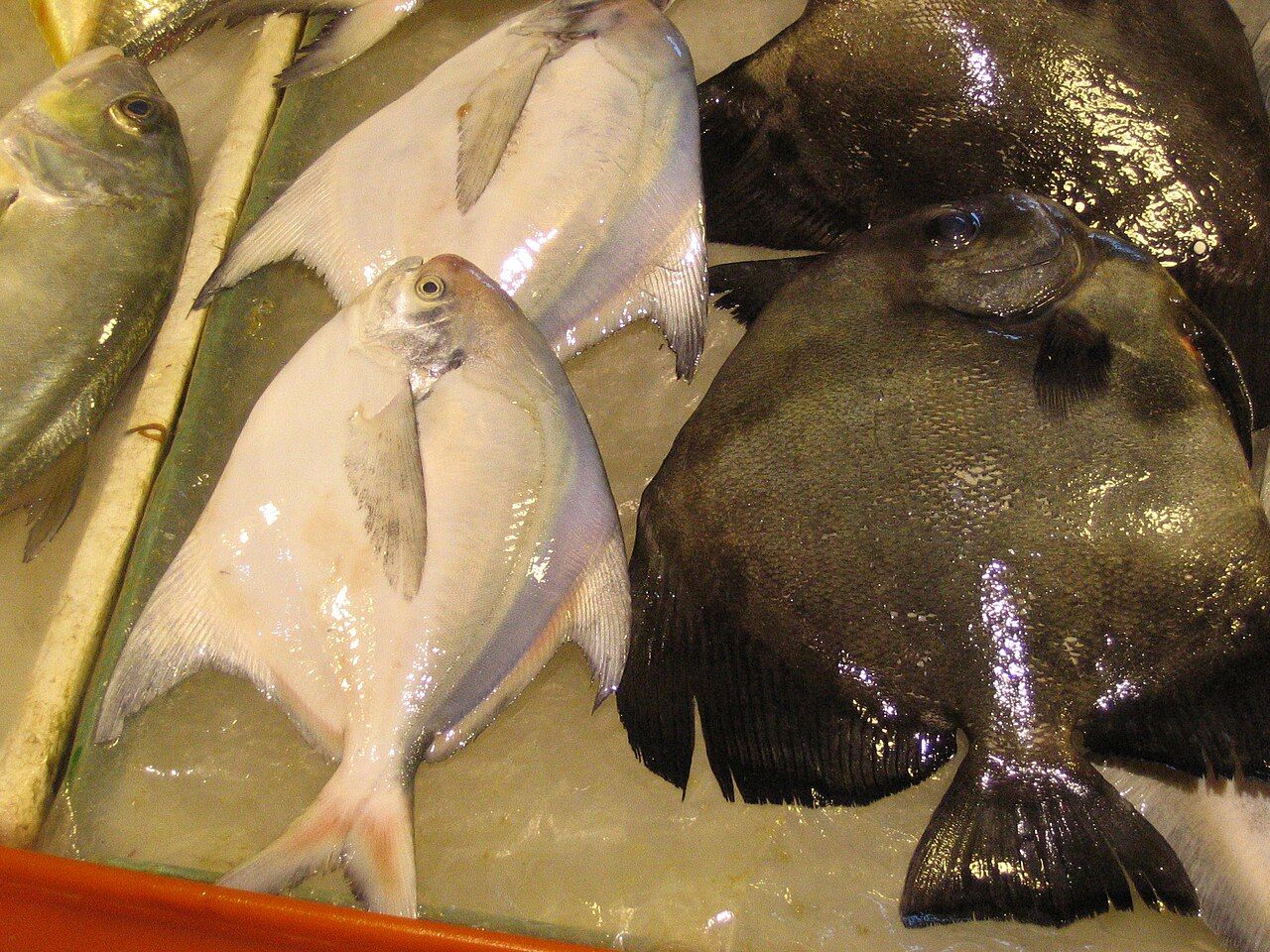
There’s a small turn from the harbour towards the county’s wider table, too. The mackerel gives Nanfang'ao a clear culinary centre of gravity, while the county's plates opens the thought outward without making this one quay responsible for every dish in Yilan.
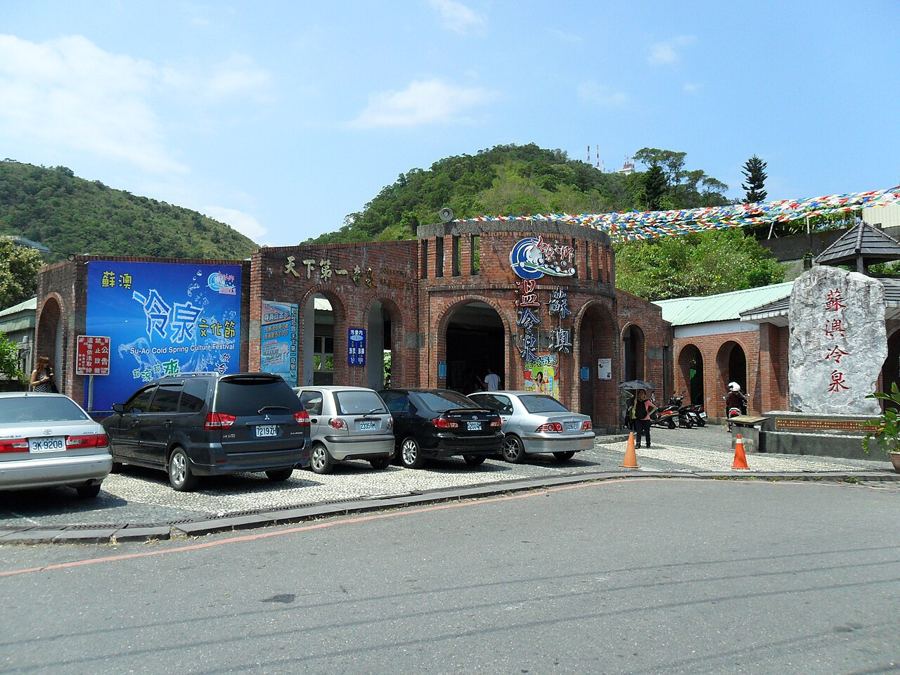
And, from harbour water to another kind of water, the fizzy cold water in town makes a neat change of subject. We like the link between these details: not because they’re the same experience, but because a day’s account of Nanfang'ao needn’t stop at the edge of the fishing fleet.
Late afternoon, and the bridge’s difficult chapter
The Nanfang'ao Bridge was a single-arch bridge across the harbour. It collapsed on 1 October 2019. That’s the hard fact here, and it resists the tidy little arc we might be tempted to give it. We won’t fold it into a cheerful lesson or pretend that a bridge is just another view.
Still, it belongs in a dispatch from the quay, because the harbour isn’t only a setting for boats and catch. The bridge crossed it; its collapse belongs in Nanfang'ao’s account. We find ourselves letting that fact remain plain, rather than filling the space around it with details we don’t have.
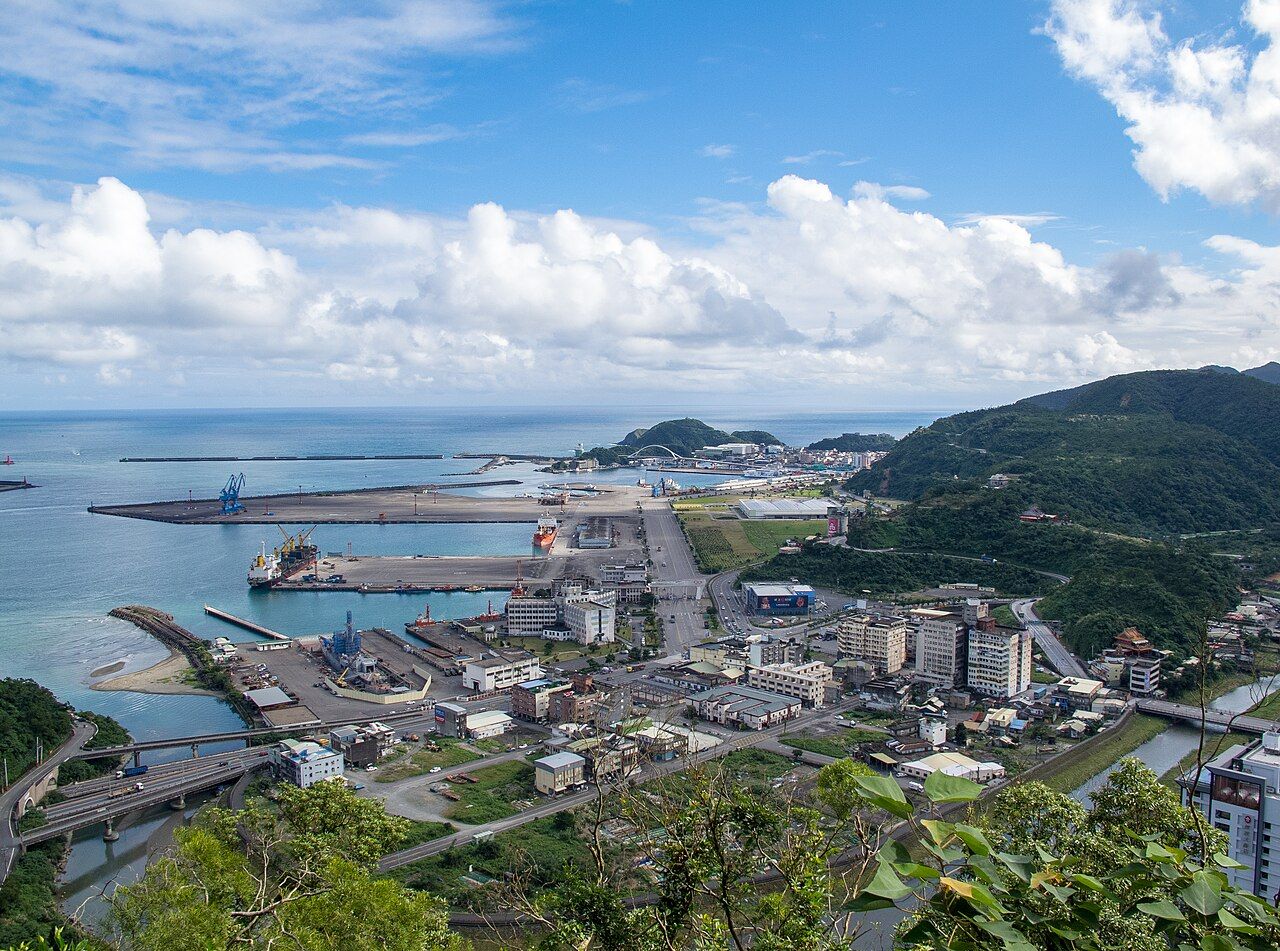
From the viewpoint on the road above, Nanfang'ao’s harbour basins and fishing fleet spread out below. The shift in angle matters: down at the quay, the harbour is close and specific; from above, its basins and boats become a wider arrangement. Neither view cancels the other. Lou prefers the first, where the harbour feels like a place of work. I like the second, for the way it gathers the whole layout into one glance.
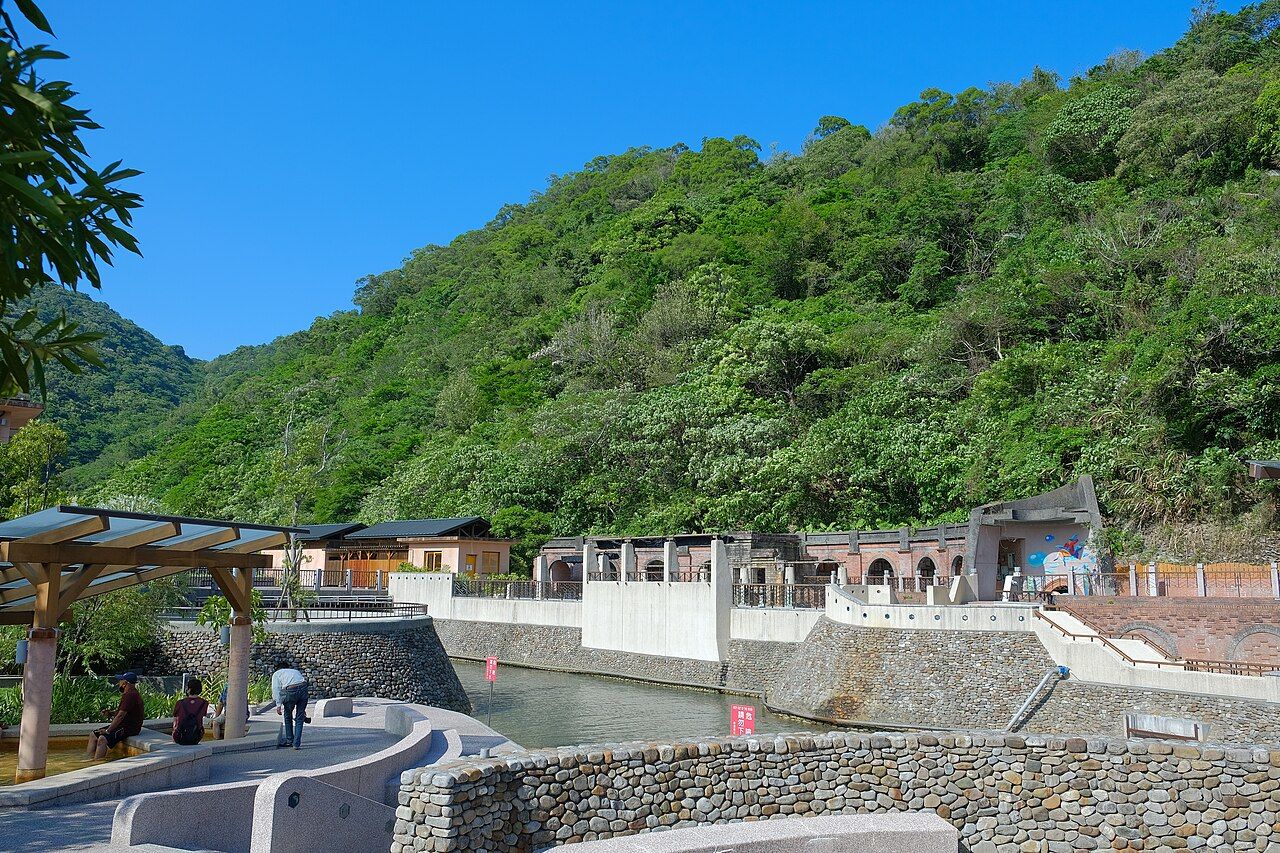
Over the hill from Nanfang'ao, Neipi Beach is a pebble beach on the bay. It’s a modest change of scene in the geography, not a departure from it: harbour on one side of the hill, beach on the other. We like having that short sentence in the day’s itinerary. No elaborate transition required; the coast has made one for us.
A small coast, left open
Autumn brings the mackerel festival at Nanfang'ao, giving the catch its own place in the calendar. We can see why that’s the detail people remember: mackerel is already the best-known catch landed here, and the festival makes that connection explicit. Still, the harbour’s story feels broader than a single season or a single fish.
By the end of the dispatch, we’re back with the simplest picture: a fishing fleet spread below the viewpoint, the harbour basins gathered around it, and the bay continuing over the hill towards Neipi Beach. The temple, the bridge and the mackerel all keep their own place in that view. We leave the scene there, without asking it to add up to anything grander.
The quay-side facts
| Place | Nanfang'ao, in Su'ao Township, at the southern end of the Lanyang plain |
|---|---|
| Harbour | One of the three largest fishing harbours in Taiwan |
| Best-known catch | Mackerel |
| Temple | Nantian Temple, dedicated to Mazu |
| Beach | Neipi Beach, over the hill |
 Su’ao’s cold spring, with a fizz
 Dong'ao Bay and Fenniaolin, by the hour
 Toucheng: a first town, and a day on foot