A day beside the Dongshan River
An old-style street, craft workshops, a temple and stages for traditional performance give this riverside arts centre its own unhurried rhythm.
by Omar and Lou
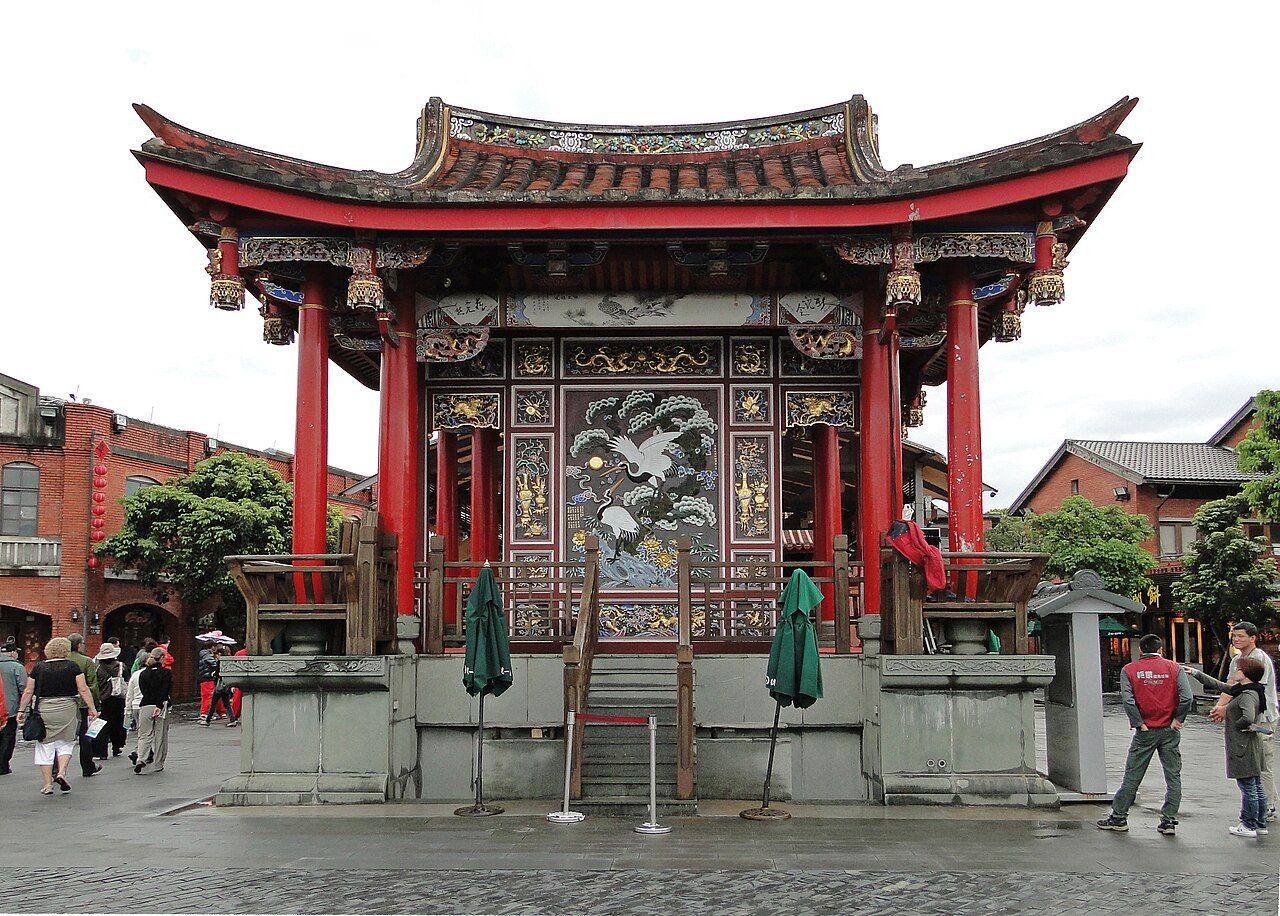
- Out of Taipei
- about 1.5 h by train and bus the ride in
- Where on the coast
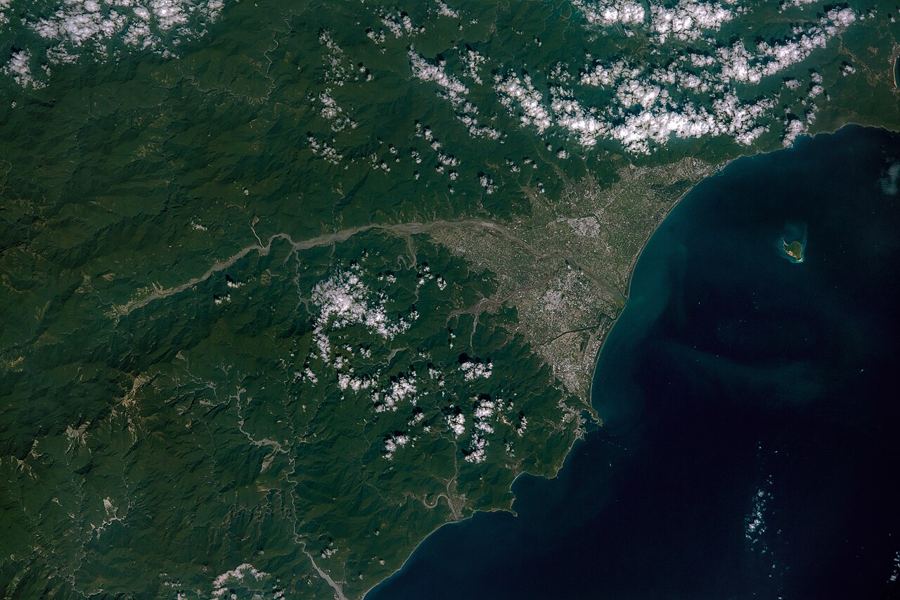
- Lanyang plain
The National Center for Traditional Arts in Wujie opened in 2002, on the bank of the Dongshan River, and its purpose is plain in the mix of work it presents: traditional performing arts and crafts. We’d make a day of it without trying to turn every part into a checklist; the site covers a large riverside area, and the different parts invite different kinds of looking.
Morning, with the workshops
We’d begin on the old-style street, where craft workshops line the way. That gives the morning a natural subject, and we’d take our time with the idea of craft itself: not just the finished work, but the place given to making and to traditional arts within the centre.
We can take our time moving from one thing to another here. The street is a setting to wander through at a human pace, and we’d rather leave room for curiosity than arrive with a strict sequence of stops. Lou tends to favour the workshops first; Omar is more easily drawn toward the river, so this seems a fair beginning for both of us.
The centre presents Taiwan’s traditional performing arts as well as its crafts, so the two aren’t competing strands of the visit. They sit together in the character of the place, even when we’re simply walking among the workshops and getting a feel for the site.
Midday, with the stages in mind
Taiwanese opera, gezaixi, is often performed on the centre’s stages. We’d keep some space in the middle of the day for that possibility, rather than treating the stages as scenery beyond the workshops. Traditional performance gives the centre another dimension beyond its street of workshops.
For anyone curious about an opera born in these fields, the stages give the visit a clear connection to Taiwanese opera. The centre presents traditional performing arts, and gezaixi is one of the forms often performed here; that’s enough to make us look at the stages with a little more attention, even between performances.
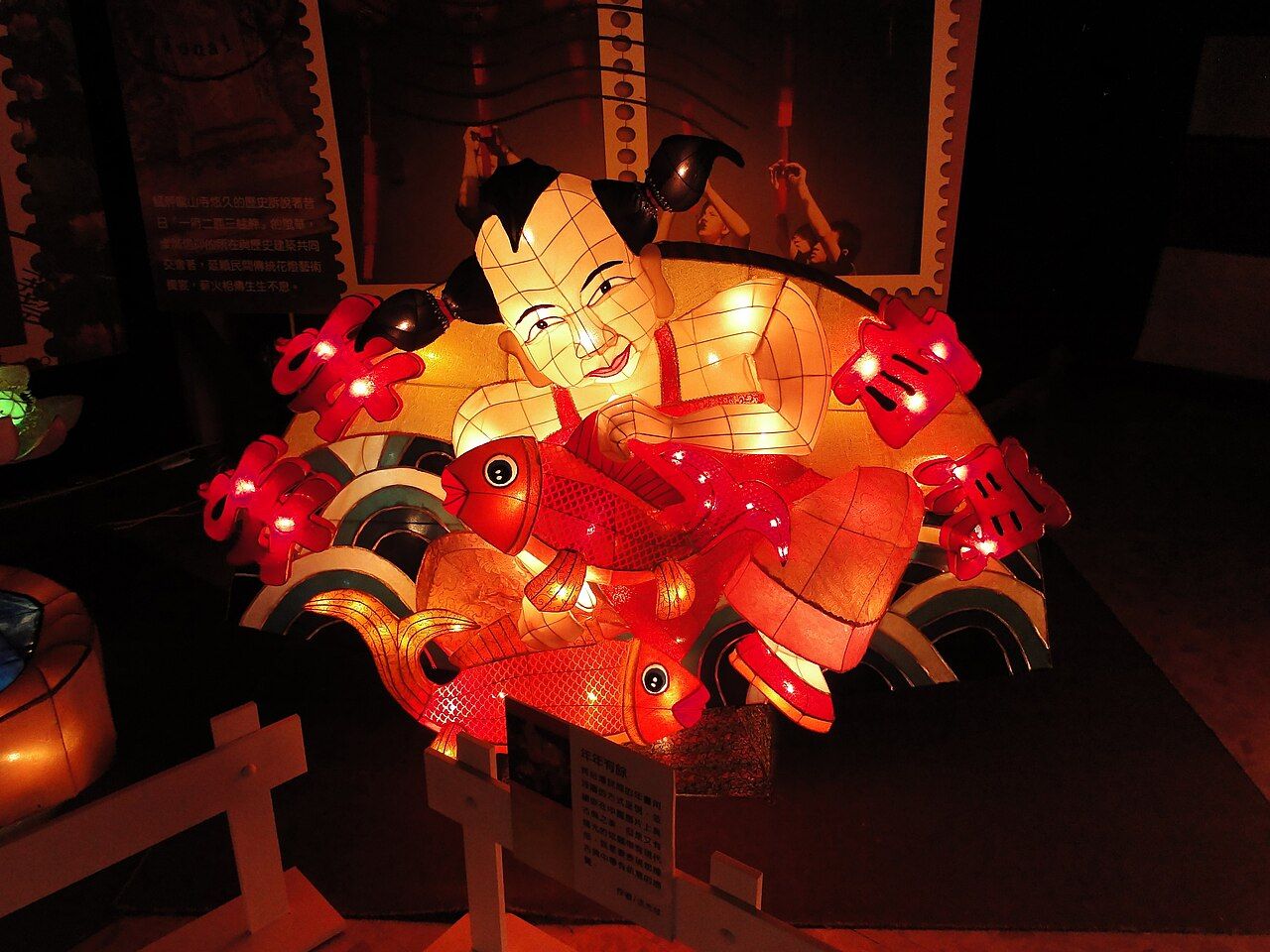
The word “centre” can suggest a single building, but this is a large riverside site in Wujie Township. We’d let the middle of the day stay flexible, moving between the street, the stages and the other parts of the grounds without pretending there’s one correct order.
Late afternoon, by the river
The Wenchang temple adds another kind of detail to the visit. It’s built in the traditional southern Fujian style, a fact that gives the centre’s traditional arts a presence beyond the workshops and performance spaces. We’d make time to notice it rather than folding it into a hurried pass through the site.
By late afternoon, the river is a good thread to follow in thought, if not necessarily the only route through the day. The Dongshan River runs past the centre on its way to the sea, and the centre’s riverside setting makes that geography part of the experience without needing much explanation.
There’s a bicycle approach too: the centre can be reached from Luodong along the Dongshan River paths. We like the way that connects the visit to the river beyond the grounds, though the street and its workshops would still be our preferred place to begin.
| Setting | On the Dongshan River in Wujie Township |
|---|---|
| By bicycle | Along the Dongshan River paths from Luodong |
| At the centre | Craft workshops, a Wenchang temple and stages for traditional performing arts |
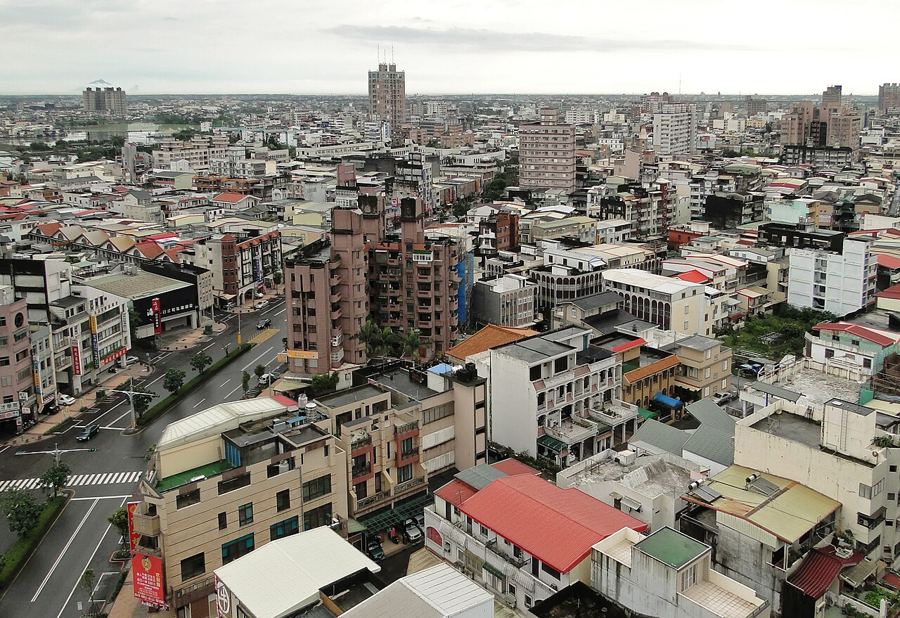 Luodong, where the mountain logs came to rest
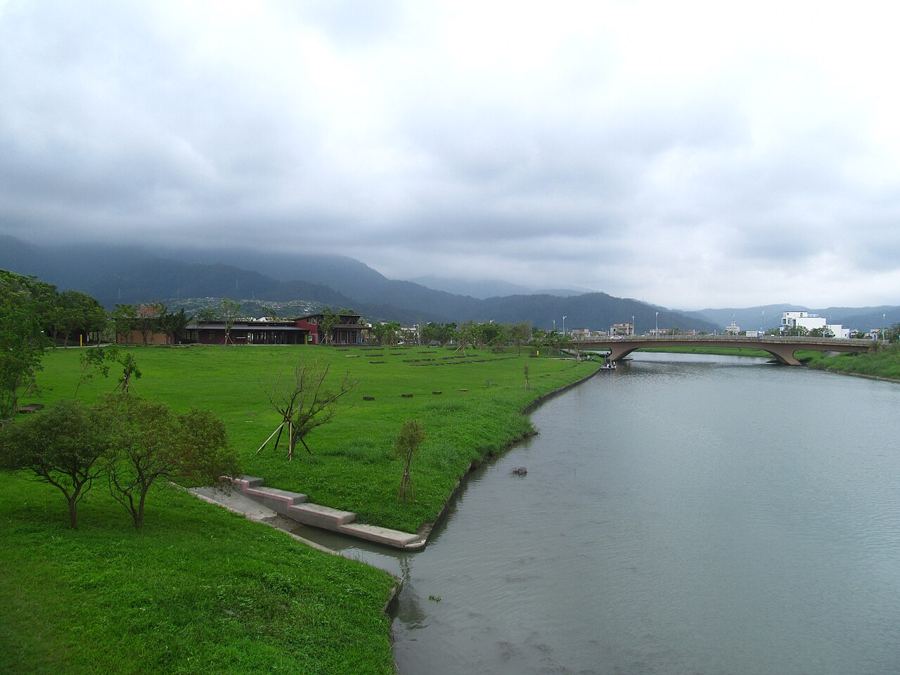 A slow roll beside the Dongshan River
 Rice on the Lanyang plain, by the back roads