Yilan city on foot, from station to river
A day on foot in the county seat moves from Jimmy Park to the old city ring, past Japanese-era houses and a Mazu temple, with the river keeping its place to the north.
by Omar and Lou
- Out of Taipei
- about 1-1.5 h by train or bus the ride in
- Where on the coast
- Lanyang plain
“The Qing walls of Yilan city have gone.”
The Qing walls of Yilan city have gone.
Morning: start with a picture-book park
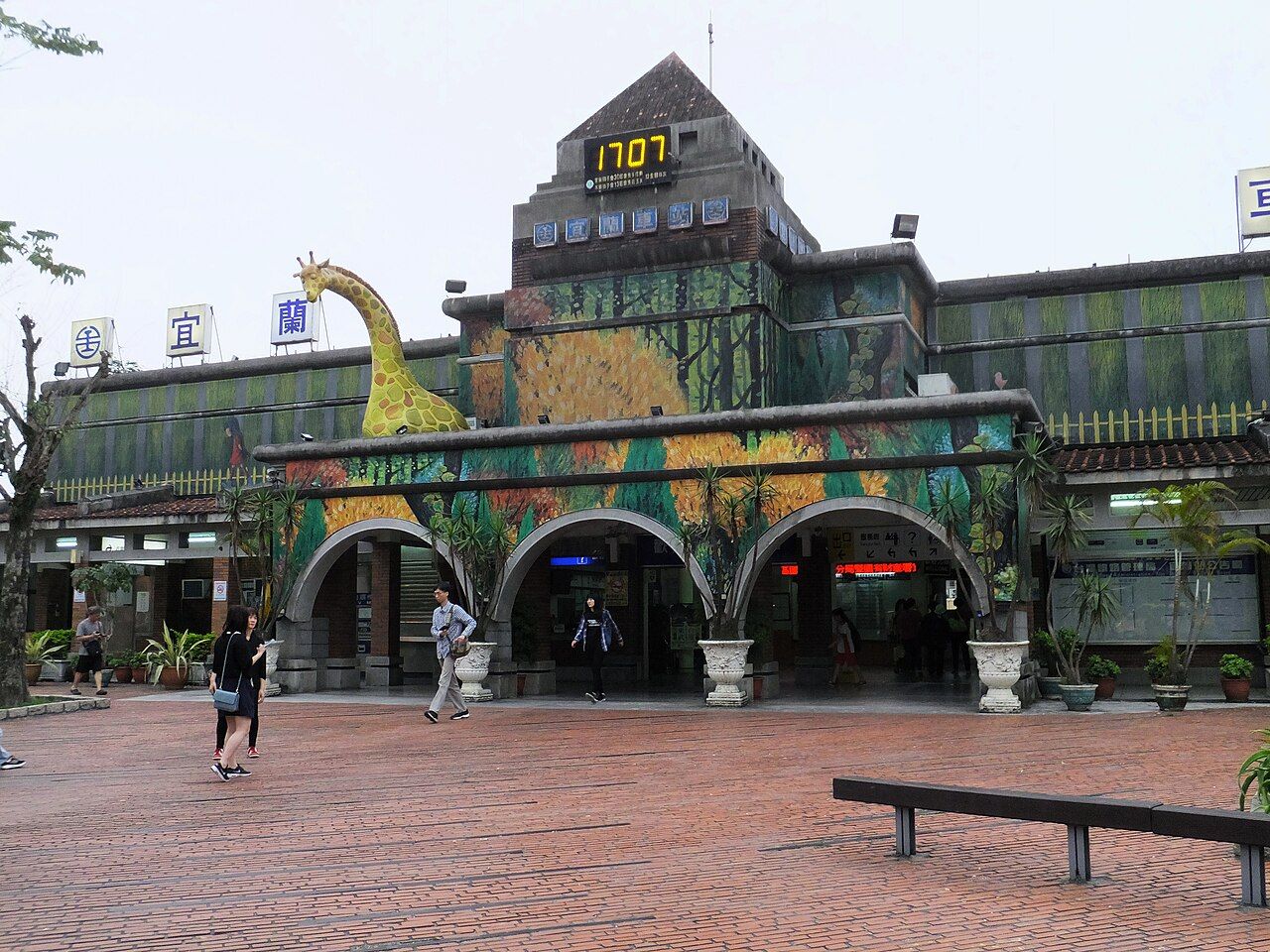
Yilan station makes a natural beginning for a day on foot: express trains from Taipei serve the station on the Yilan line, and Jimmy Park sits beside it.
We’d give the park a little room before setting off into the city. Its sculptures come from the picture books of illustrator Jimmy Liao, who was born in Yilan, so the place brings the city’s name and his work together in a way that feels quietly personal.
We can keep the plan simple. Walk among the sculptures, pause where one catches your eye, and let the day begin at a pace that suits a place built around looking. Lou tends to linger; I’m usually ready to carry on, though the park makes a good case for staying a bit longer.
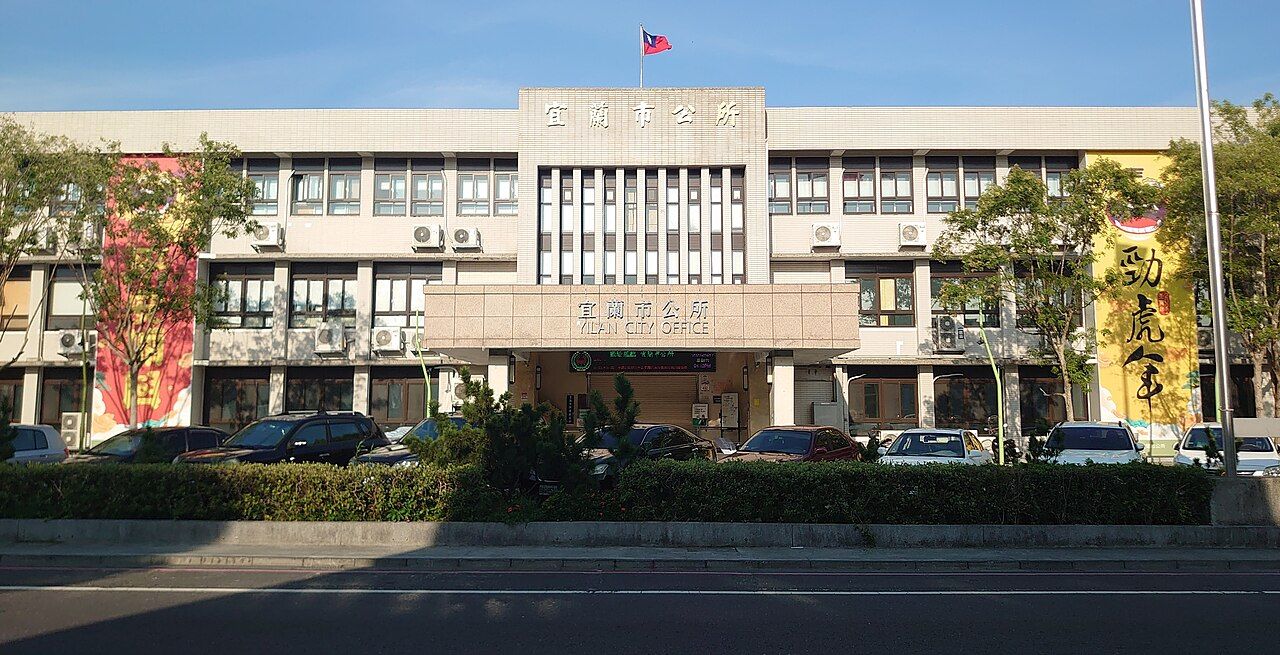
From the station and park, the day can widen into the county seat itself. Yilan city is the seat of Yilan County, and the Yilan County Government is here too, but the old outline of the city gives this walk its most useful thread.
Midday: follow the old city’s ring
The ring of roads called Jiucheng, or “old city,” follows the line of the Qing-era city wall. The wall itself is gone; the roads still mark where it stood, and that surviving shape is a fine thing to carry in mind as the walk continues.
The old boundary hasn’t vanished altogether, even if what remains is a road pattern rather than a wall. It asks for a little imagination, not a history lesson, and the name Jiucheng keeps the older city close to the surface.
The old ring gives the day a gentle structure: take in the city as it is, then keep noticing the line underneath it. There’s a Qing chapter in that shape, and the Qing government arrived belongs alongside the story of the city’s old boundary.
As the day reaches midday, this is also a good point to leave the map loose. We find that a walk with a few anchors works better than trying to turn every street into a destination; the ring itself is enough to make the old city legible.
Late afternoon: houses, temple, river
Several Japanese-era wooden houses in Yilan city have been restored as public halls. They make another layer of the walk visible, not as an isolated relic, but as part of a city where different periods sit beside one another.
A linked stop is the governor's old house; beyond that single marker, it’s the restored wooden houses as a group that give this part of the afternoon its character. We’d take time to look at the houses themselves and the idea of public halls: old buildings continuing in public life.
Zhaoying Temple is a Mazu temple in Yilan city, founded in the early nineteenth century. Its place in the day is a change of pace from following roads and buildings, with a different kind of history gathered into one address.
We’re fond of walks that let the subject shift without requiring a long transfer between them. Here, the old ring, the wooden houses and the temple all belong to the same city-sized day, though each gives the past a different outline.
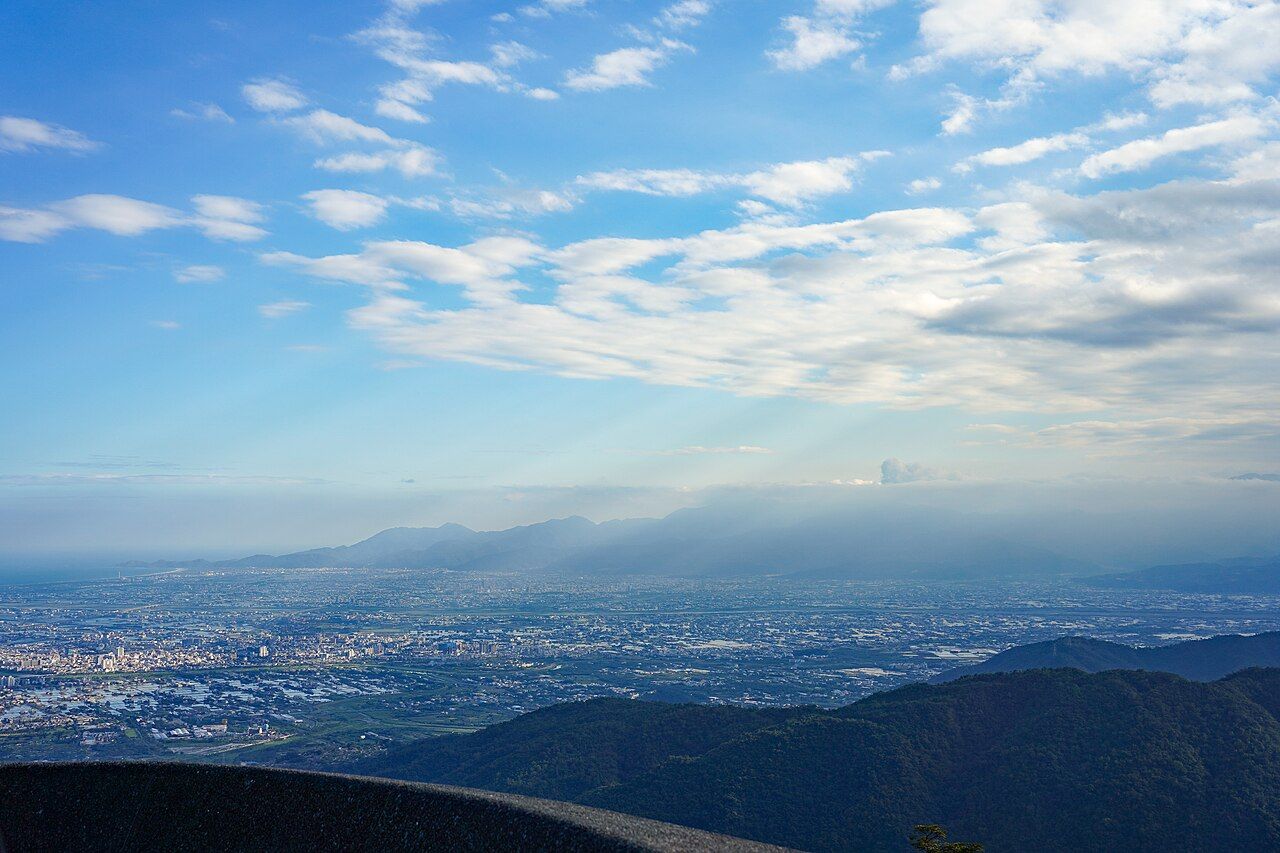
For the last stretch, keep the Yilan River in mind. It flows along the northern side of the city centre, a clear point of orientation as the afternoon begins to draw the walk towards its close.
There’s something satisfying about finishing with a landmark that doesn’t need much interpreting. The river is simply there along the north side, and after a day spent reading the city through its old boundaries and buildings, that plain fact feels like a calm final note.
We’d let the walk end without squeezing in one more stop. A day on foot can be enough when its pieces have had time to settle: station and park, old ring, wooden houses, temple, river.
A small map for the day
Keep the sequence simple, and let the city’s landmarks do the work of joining one stretch to the next.
| Part of the day | Place or detail |
|---|---|
| Morning | Yilan station and Jimmy Park beside it |
| Midday | Jiucheng, the ring of roads following the Qing-era city wall |
| Late afternoon | Japanese-era wooden houses, Zhaoying Temple and the Yilan River |
| By train | Express trains from Taipei serve Yilan station on the Yilan line |
 A day’s appetite around Yilan
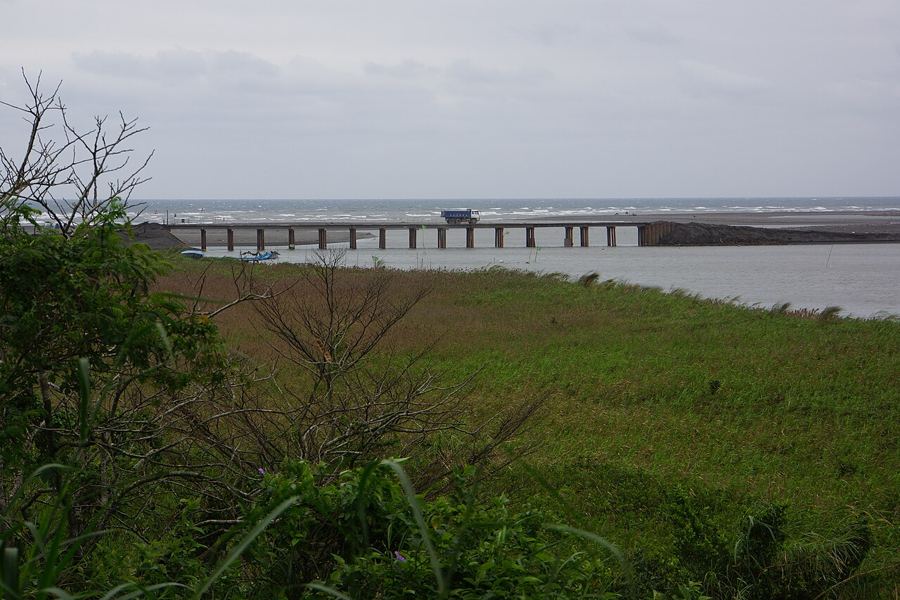 Birds where the Lanyang River meets the sea