The Kavalan, people of the plain
The Kavalan homeland was the Lanyang plain. We follow a story of displacement, movement south to Hualien, weaving, an endangered language and recognition.
by Omar and Lou
- Where on the coast
- whole county
Morning, with the name
“People living on the plain” is how the name Kavalan is often explained, and that small phrase gives us a place to begin without pretending it explains everything. The Kavalan are an Austronesian people whose homeland was the Lanyang plain, and we keep returning to that relationship between a people and a place as we follow the story through the day.
One of us hears the name first as a description of home; the other keeps noticing how easily a plain can be treated as a blank space on a page. Neither response is the whole story. The Lanyang plain is not merely a setting in these facts, but the named homeland from which later movement has to be understood. That is a simple distinction to hold, and a useful one.
There’s a temptation, in writing about a people through only a handful of facts, to make the gaps sound like answers. We’d rather leave them visible. The name’s meaning is often explained this way, not offered as the only possible account, and the careful wording matters: it leaves room between a name, its explanation and the lives gathered under it.
Midday, and the pressure of settlement
Han settlement from 1796 onward pushed many Kavalan off their land on the Lanyang plain. That sentence carries a history of change, but it doesn’t give us the details of each family or each departure, so we won’t fill those spaces with invented scenes. We can say plainly what the facts do say: many were pushed off their land, and the homeland remains the point from which that movement is measured.
In the longer account of the plain, the Qing set up an office on the plain is another point of reference, while the central fact here is the pressure Han settlement brought to Kavalan land. The link sits beside a history that is already difficult to compress; it doesn’t make displacement a footnote, or turn a people’s movement into a tidy change of address.
We don’t agree on whether midday is the right part of this itinerary for the hardest fact. One of us likes the sequence because it makes clear that the story has a before and an after; the other thinks a clock-like structure can make historical change seem too neat. Both are right enough, and the form should admit its limits rather than claim a smooth passage where there wasn’t one.
A homeland can remain central to a story even when the story also has to follow movement away from it.
A homeland can remain central to a story even when the story also has to follow movement away from it.
That sentence is the hinge we’d keep: not because it resolves anything, but because it lets the Lanyang plain stay present while the account moves south. Han settlement from 1796 onward is a specific beginning in this set of facts, while the consequences stretch beyond the plain and into the nineteenth century.
Late afternoon, facing south
During the nineteenth century many Kavalan moved south to the coast of Hualien. We can follow that direction without pretending it was a single journey or a single decision; the facts describe movement by many people across a period, and that is as far as we should take the detail.
Xinshe, on the Hualien coast, is one of the main Kavalan villages today. Its place in this story matters because the account doesn’t end with the Lanyang plain, even though the plain is the homeland at its centre. One of us is drawn to the word “today” here, because it gives the present its own place in a history that might otherwise be told only as departure.
There is also cloth woven from banana fibre, a Kavalan craft. We like that the fact is specific, though we won’t turn it into a scene of hands at work or claim how often the craft is practised. It’s enough to name it as a craft and let it stand as one part of Kavalan life, not a decorative detail added to make the story feel complete.
The Kavalan language is endangered. We pause there, because the word is serious and the facts give no further account of speakers, teaching or daily use. A careful telling doesn’t need to pad that sentence with guesses; it needs to let the condition be heard, alongside the continued presence of Kavalan villages and craft.
The Kavalan were officially recognised as one of Taiwan’s indigenous peoples on 25 December 2002, and they were the eleventh indigenous people to gain official recognition in Taiwan. The exact date belongs in the story, but it can’t stand in for all that came before it or make displacement disappear. We read it as an important fact in its own right, not a final answer to the history.
Taiwan’s Council of Indigenous Peoples is the cabinet-level body for indigenous affairs. Here, that name helps locate the formal language of recognition, while the account remains grounded in the people and places already named: the Lanyang plain, the coast of Hualien, and Xinshe. We prefer to leave those names together rather than let one become a footnote to another.
By late afternoon, the itinerary has carried us from a homeland to movement south, then to craft, language and official recognition. It hasn’t filled in every part of how Kavalan people lived, and it shouldn’t pretend to. What it can do is keep the plain in view without making the later chapters disappear, and leave the story open where the facts leave it open.
| Thread | What belongs here |
|---|---|
| Homeland | The Lanyang plain |
| Movement | South to the coast of Hualien during the nineteenth century |
| Village today | Xinshe, on the Hualien coast |
| Recognition | 25 December 2002; the eleventh indigenous people recognised in Taiwan |
| Craft and language | Banana-fibre cloth weaving; an endangered language |
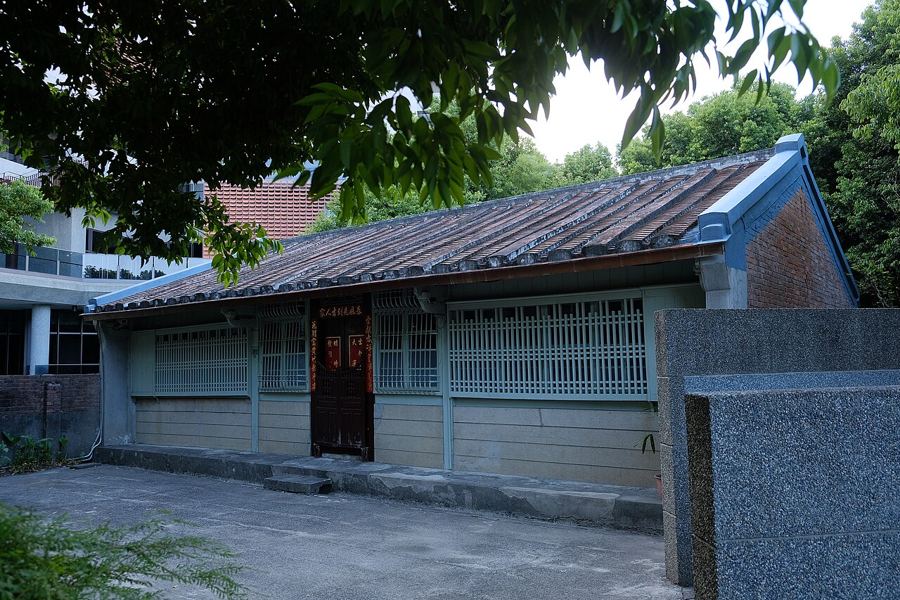 The governor’s house, and the garden around it
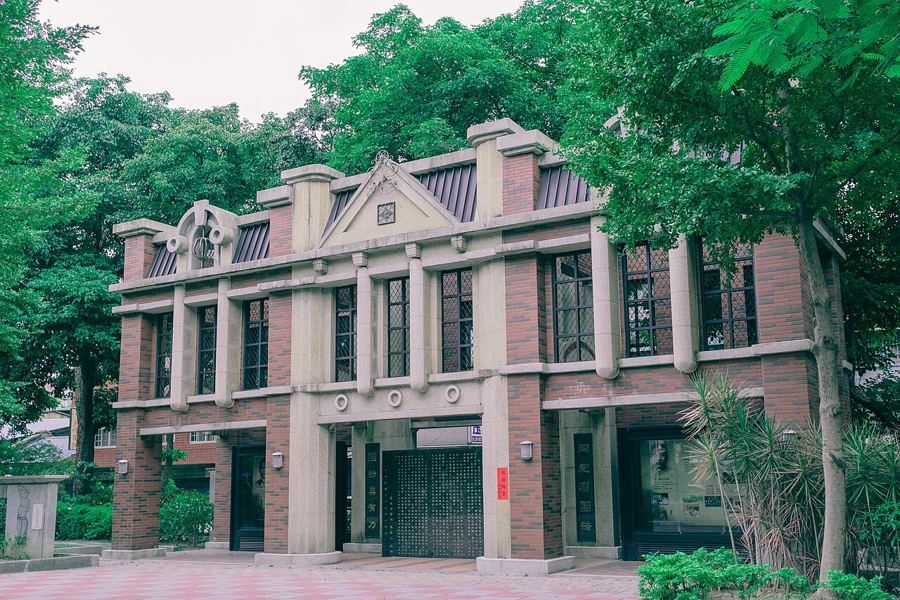 Chiang Wei-shui, Yilan’s doctor-activist
 Gezaixi, from paddies to the stage