When the plain became Kavalan, then Yilan
A morning-to-afternoon walk through the names attached to the Lanyang plain: Kavalan, Yilan, Giran, and Yilan again, each marking a change in government.
by Omar and Lou
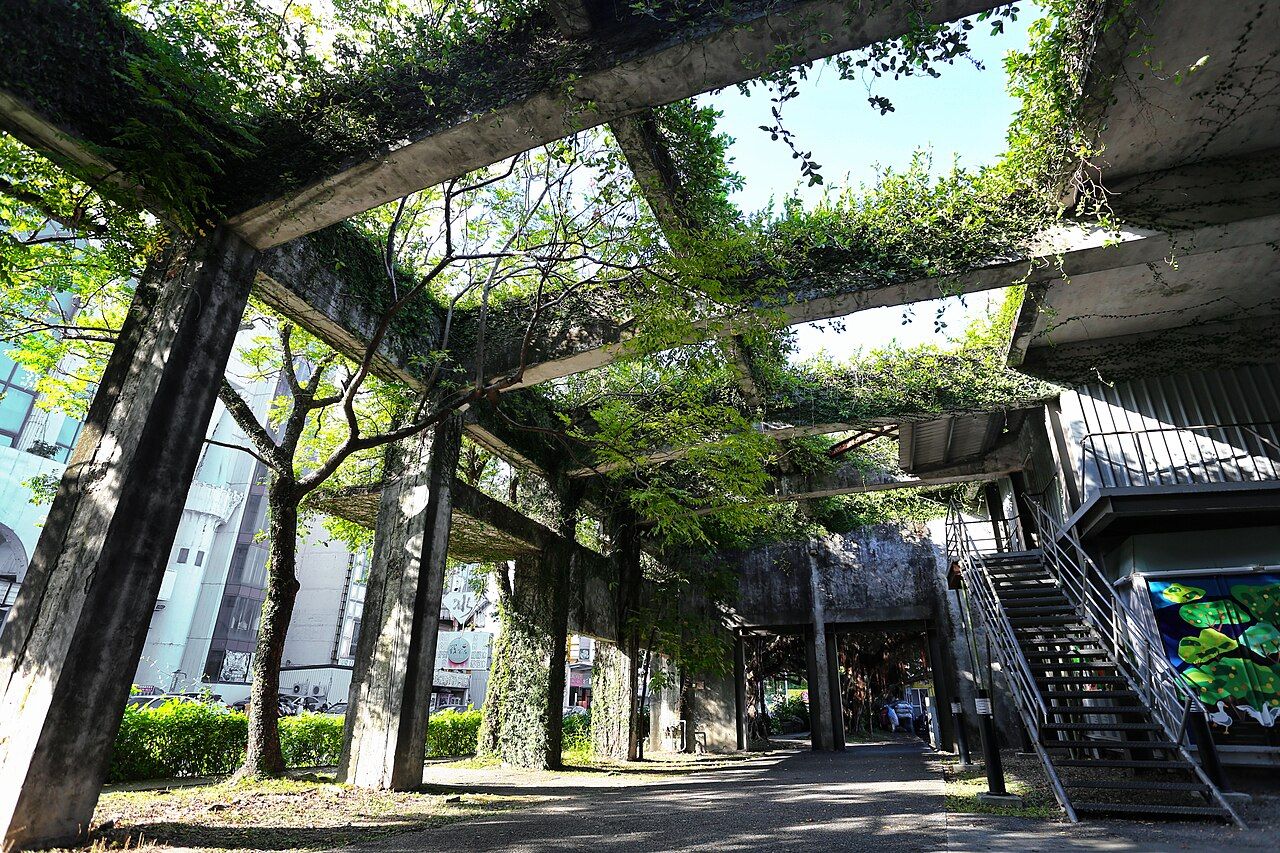
- Out of Taipei
- about 1-1.5 h by train or bus
- Where on the coast
- Lanyang plain
“the fifth enclosure”
Morning: start with the plain
We like a history that begins with a name, though Lou says this one begins more honestly with the absence of regular administration. Before 1812, the Lanyang plain lay outside regular Qing administration, and that fact makes the first date feel less like a new label than a marked change.
In 1812, the Qing dynasty set up the Kavalan Subprefecture on the Lanyang plain. We read the name aloud, then read the date again, because the two details belong together: Kavalan was the administration established here, and 1812 is when it began.
We don’t want to make the sequence grander than it is. For us, it’s enough to follow the plain from outside regular Qing administration to a named subprefecture, and to notice how much history can sit inside that change.
We tend to imagine this kind of story as a chain of names, but the first link is a change in government. That distinction keeps us from treating Kavalan as merely an earlier spelling of Yilan.
The names change, but the sequence itself gives us a way to keep the story in hand.
Midday: find the seat of Kavalan
The seat of the Kavalan Subprefecture was a walled town on the site of today’s Yilan city. That single detail brings the administrative story to a particular place, without asking us to add anything to what’s known.
Yilan city itself grew from the settlement once known as Wuwei, the “fifth enclosure”. We keep turning that phrase over; one of us likes its plainness, while the other finds it hard not to hear the shape of an older name inside it.
On a present-day mental map, the ring of old-city roads gives us a way to place the town in the story. The name Wuwei belongs to the settlement from which Yilan city grew, while the walled town was the seat of Kavalan.
Those are related pieces of the same account, but they aren’t interchangeable. We find it useful to keep the settlement, the town, and the administration in view as separate things, rather than smooth them into one label.
The Qing renamed the Kavalan administration Yilan County in 1875. By midday in our imagined itinerary, we’ve moved from the subprefecture to the county, and the name Yilan has entered the record.
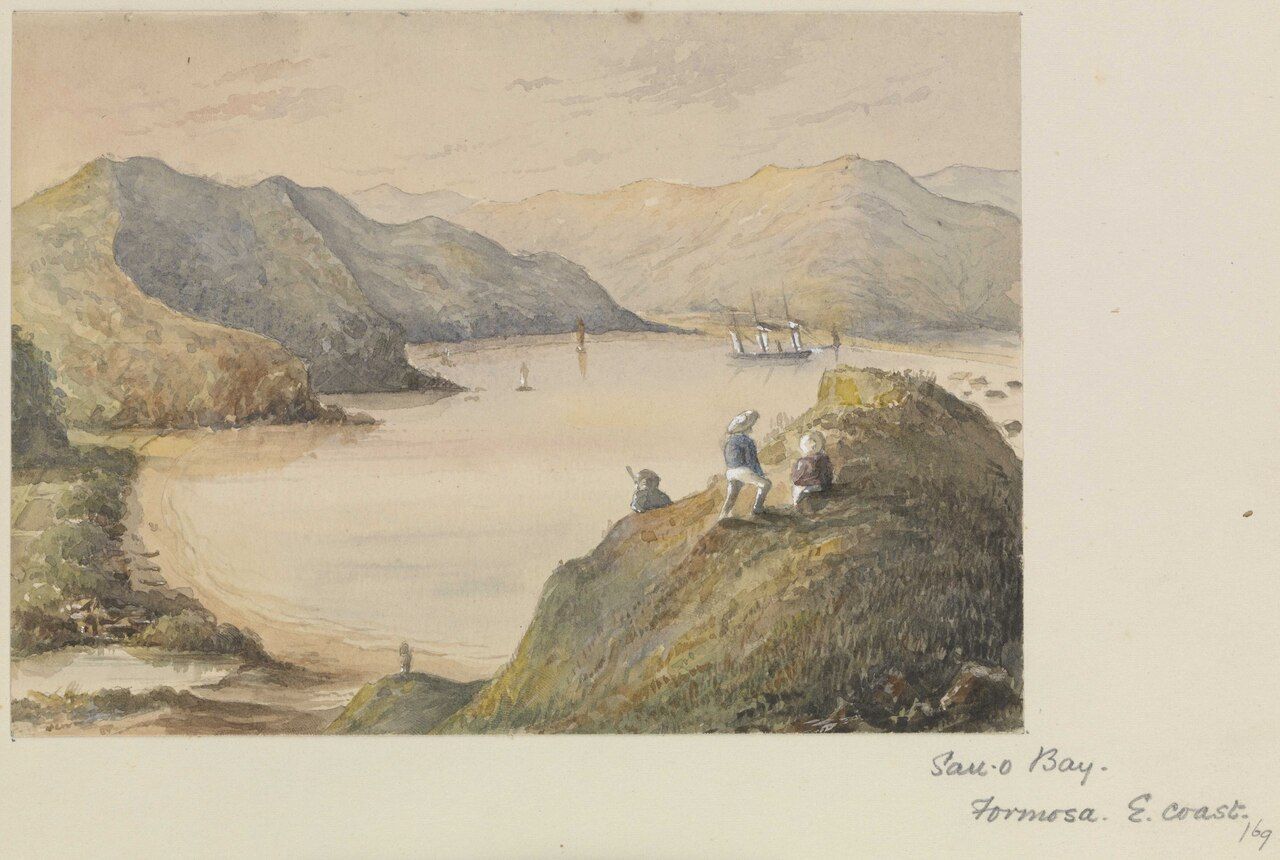
The names change, but the sequence itself gives us a way to keep the story in hand. It’s a modest pleasure, not a dramatic revelation: the plain’s history becomes easier for us to follow when each administrative turn gets its own place.
Late afternoon: let the names keep moving
In the Qing period, the Caoling trail was the main link between Kavalan and northern Taiwan. We pause over that fact because it gives the account a connection beyond the plain, while leaving the broader story exactly where the facts place it.
From 1895, under Japanese rule, the town of Yilan was known as Giran. The shift is striking on the page, and we don’t need to guess at what it meant in daily life to see how clearly it changes the sequence.
There’s a small difference between following a town’s name and following an administration’s name. Yilan County had been the Qing name from 1875; Giran was the name by which the town of Yilan was known under Japanese rule.
We keep that distinction close, especially as the afternoon part of this itinerary reaches its last turn.
The story doesn’t ask for a tidy line in which every place and every government carries one name at a time.
The town was known as Yilan again. Yilan County was re-established as a separate county in 1950, which gives the sequence another date, and a return that’s not quite the same as the earlier county name.
By late afternoon, we’ve followed the Lanyang plain through Kavalan, Yilan, Giran, and Yilan again. We prefer this kind of ending to a grand summary: a few names, held in order, and enough room between them to remember what each one describes. We like having the names in that order.
| Place or link | Detail |
|---|---|
| Lanyang plain | From Taipei, about 1-1.5 h by train or bus. |
| Kavalan | Subprefecture established in 1812; renamed Yilan County in 1875. |
| Yilan | Known as Giran under Japanese rule from 1895; Yilan County was re-established as a separate county in 1950. |
| Caoling trail | Main link between Kavalan and northern Taiwan in the Qing period. |
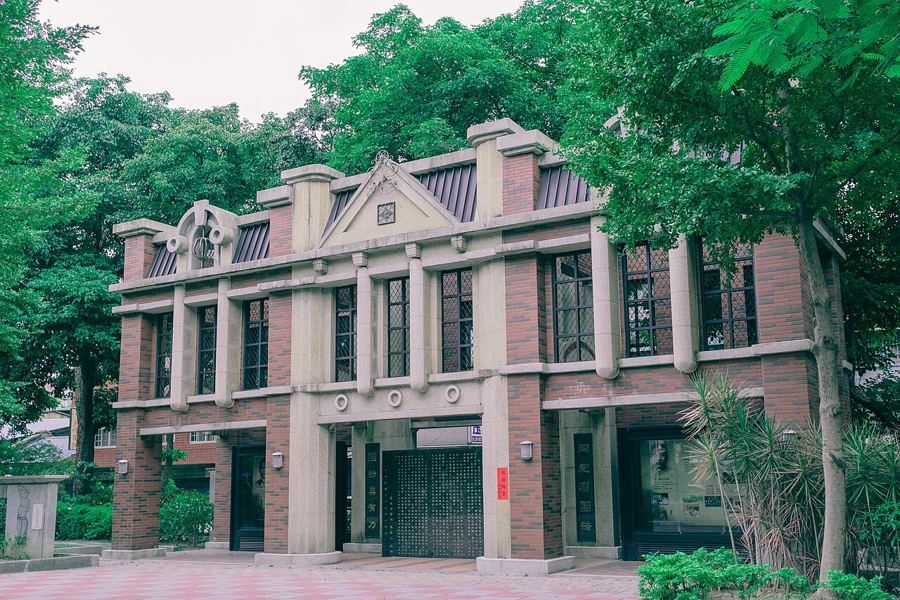 Chiang Wei-shui, Yilan’s doctor-activist
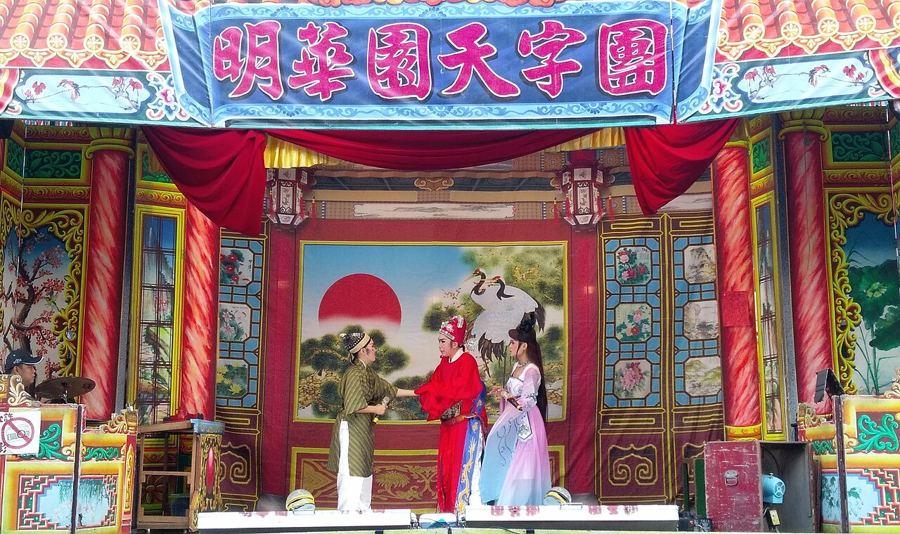 Gezaixi, from paddies to the stage